Fishman Comments:
Incredibly interesting work on stem cell transplantation for restoring the lacrimal gland function. MSC in 2 µl saline were injected into the LG. Important basic science in the field of dry eye disease.
Authors: Jana Dietrich, Lolita Ott, Mathias Roth, Joana Witt,Gerd Geerling, Sonja Mertsch& Stefan Schrader
Scientific Reports volume 9, Article number: 18299 (2019)
Abstract
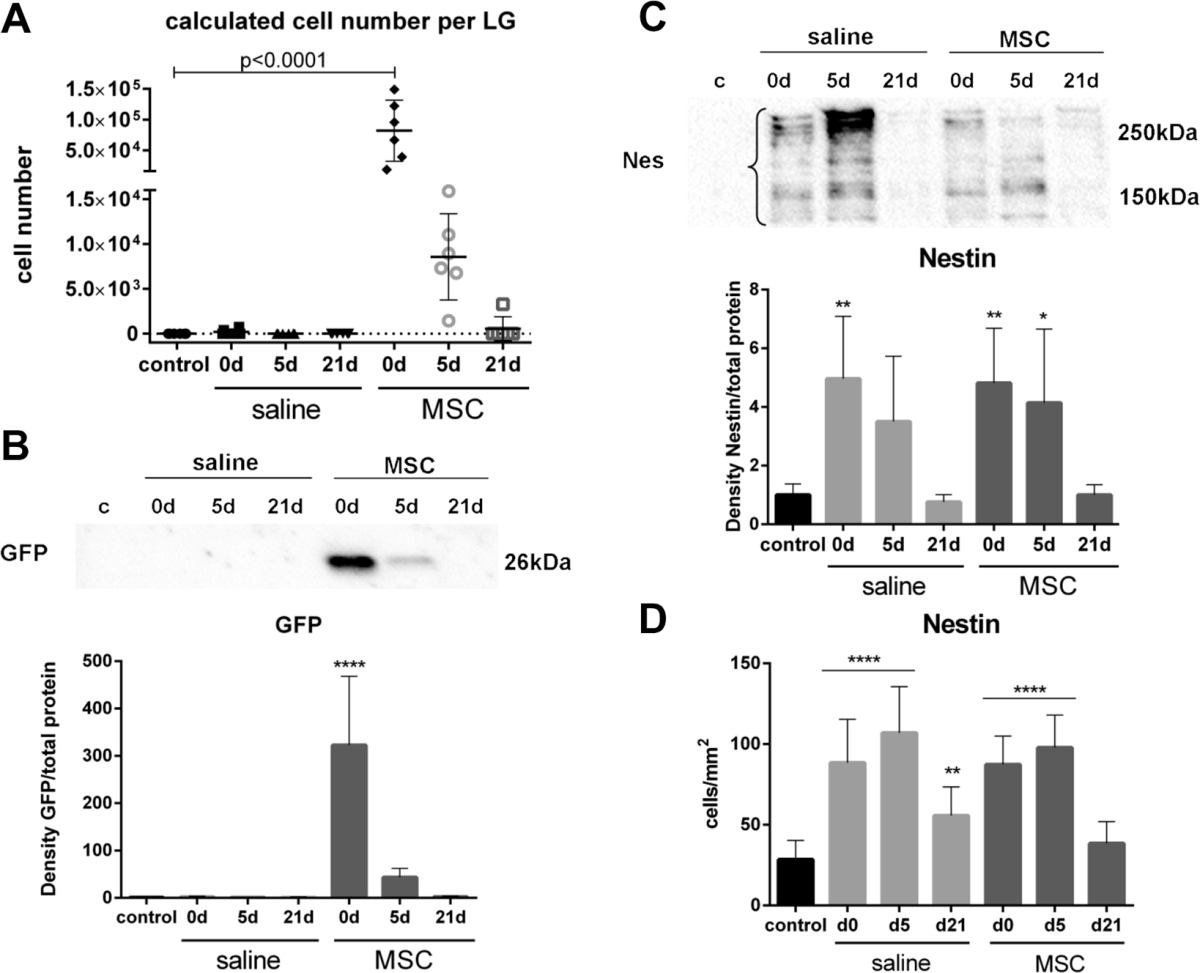
Dry eye disease (DED) is a multifactorial disease characterized by a disrupted tear film homeostasis and inflammation leading to visual impairments and pain in patients. Aqueous-deficient dry eye (ADDE) causes the most severe progressions and depends mainly on the loss of functional lacrimal gland (LG) tissue. Despite a high prevalence, therapies remain palliative. Therefore, it is of great interest to develop new approaches to curatively treat ADDE. Mesenchymal stem/stromal cells (MSC) have been shown to induce tissue regeneration and cease inflammation. Moreover, an increasing amount of MSC was found in the regenerating LG of mice. Therefore, this study investigated the therapeutic effect of MSC transplantation on damaged LGs using duct ligation induced ADDE in mice. Due to the transplantation of sex-mismatched and eGFP-expressing MSC, MSC could be identified and detected until day 21. MSC transplantation significantly improved LG regeneration, as the amount of vital acinar structures was significantly increased above the intrinsic regeneration capacity of control. Additionally, MSC transplantation modulated the immune reaction as macrophage infiltration was delayed and TNFα expression decreased, accompanied by an increased IL-6 expression. Thus, the application of MSC appears to be a promising therapeutic approach to induce LG regeneration in patients suffering from severe DED/ADDE.